Learn About Our Passenger Train
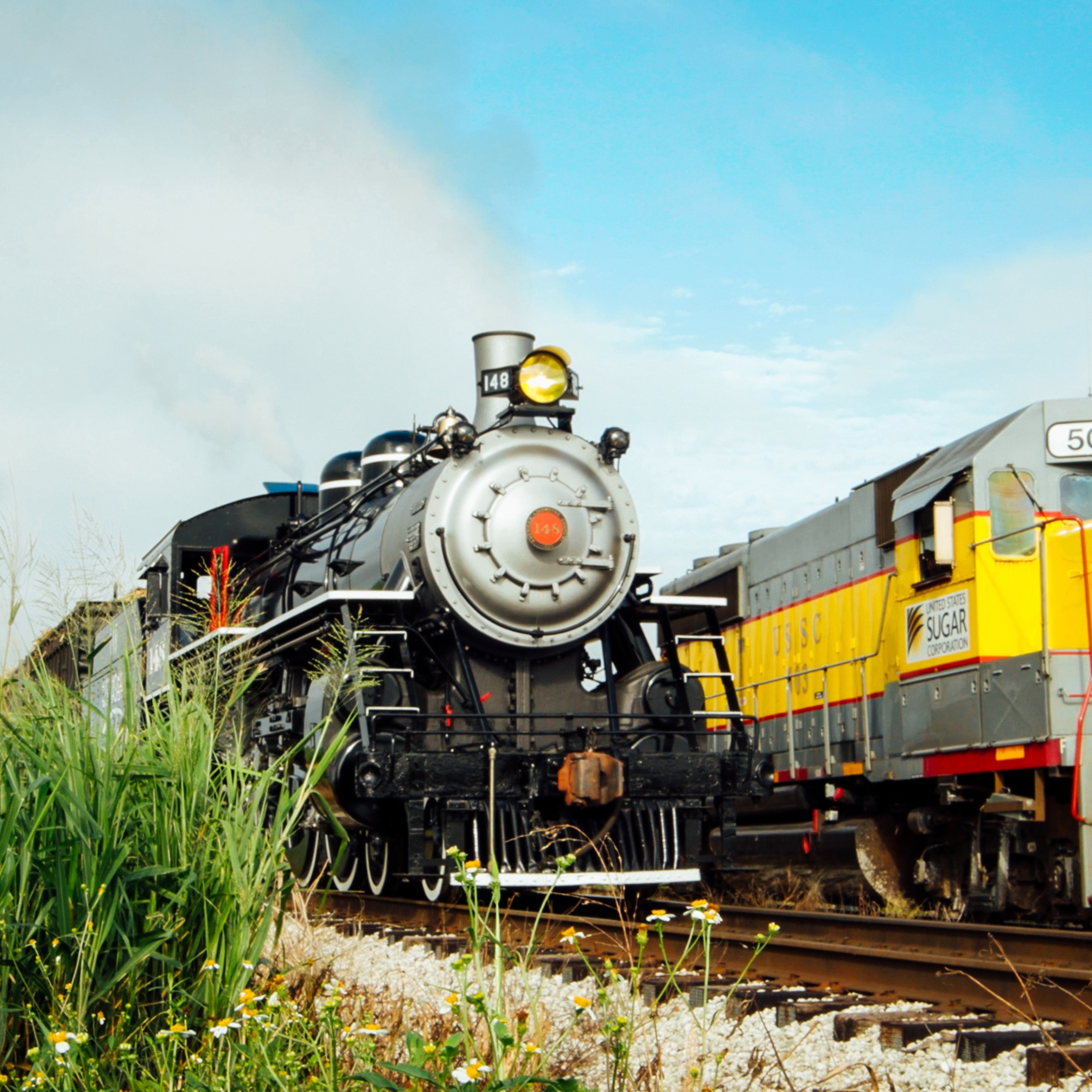
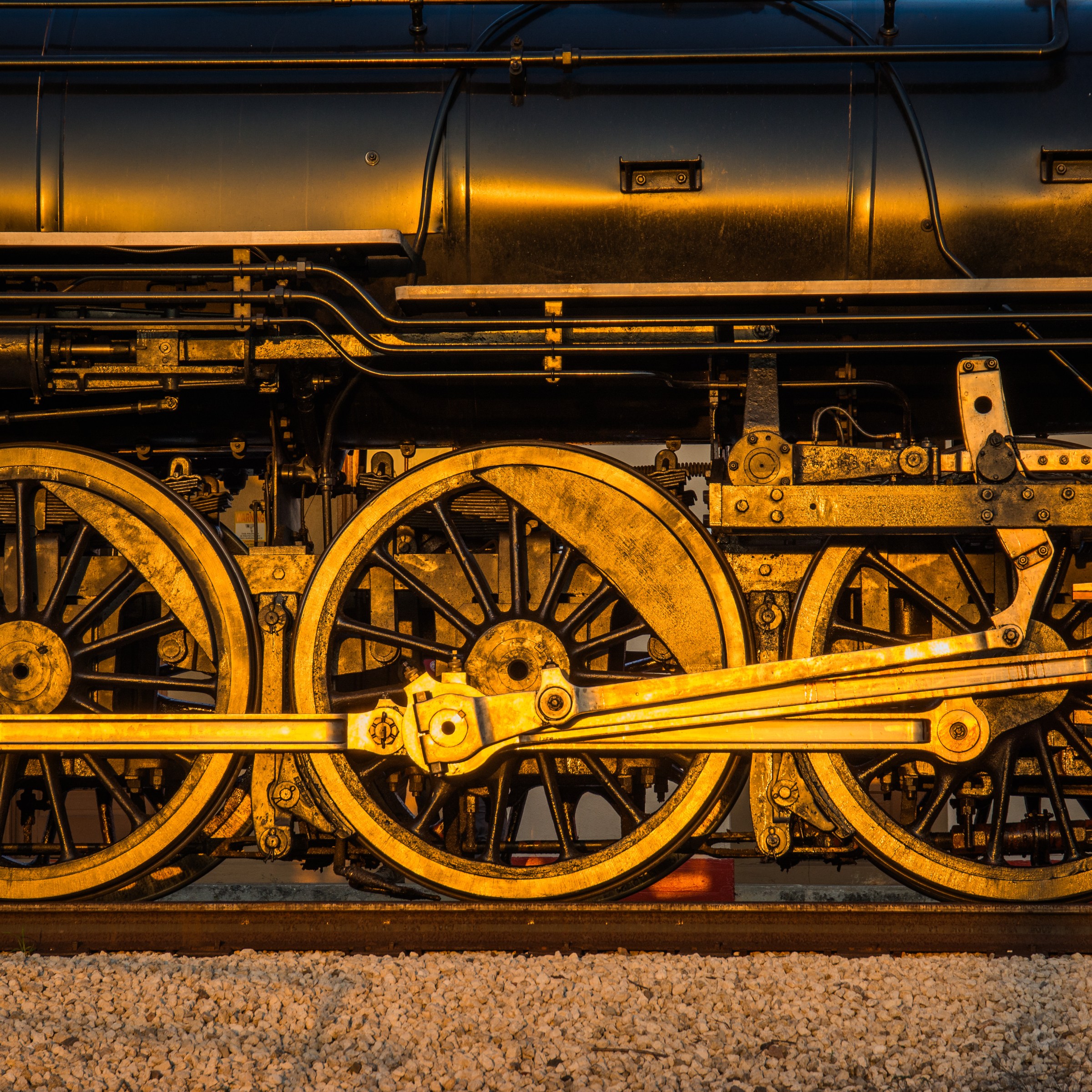
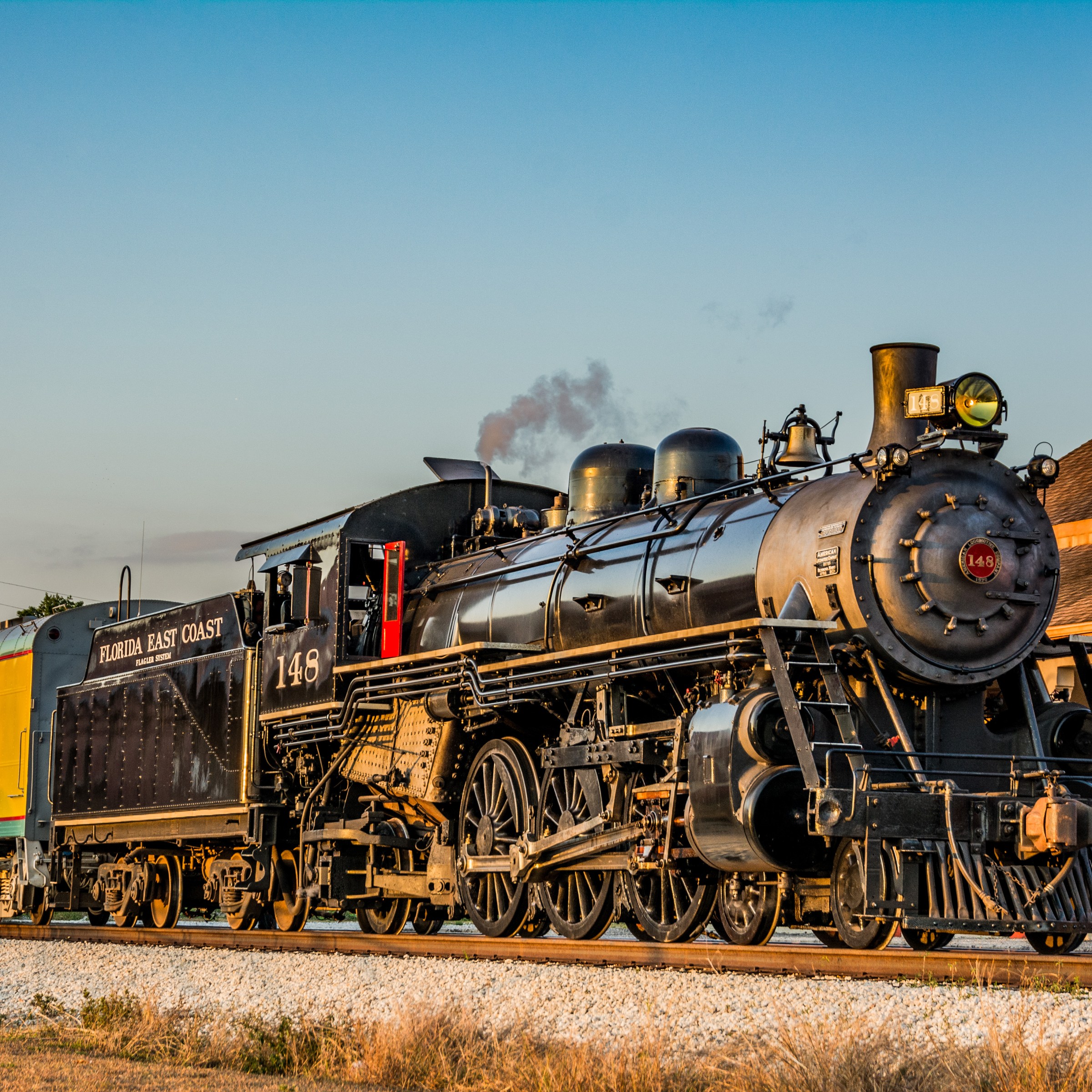
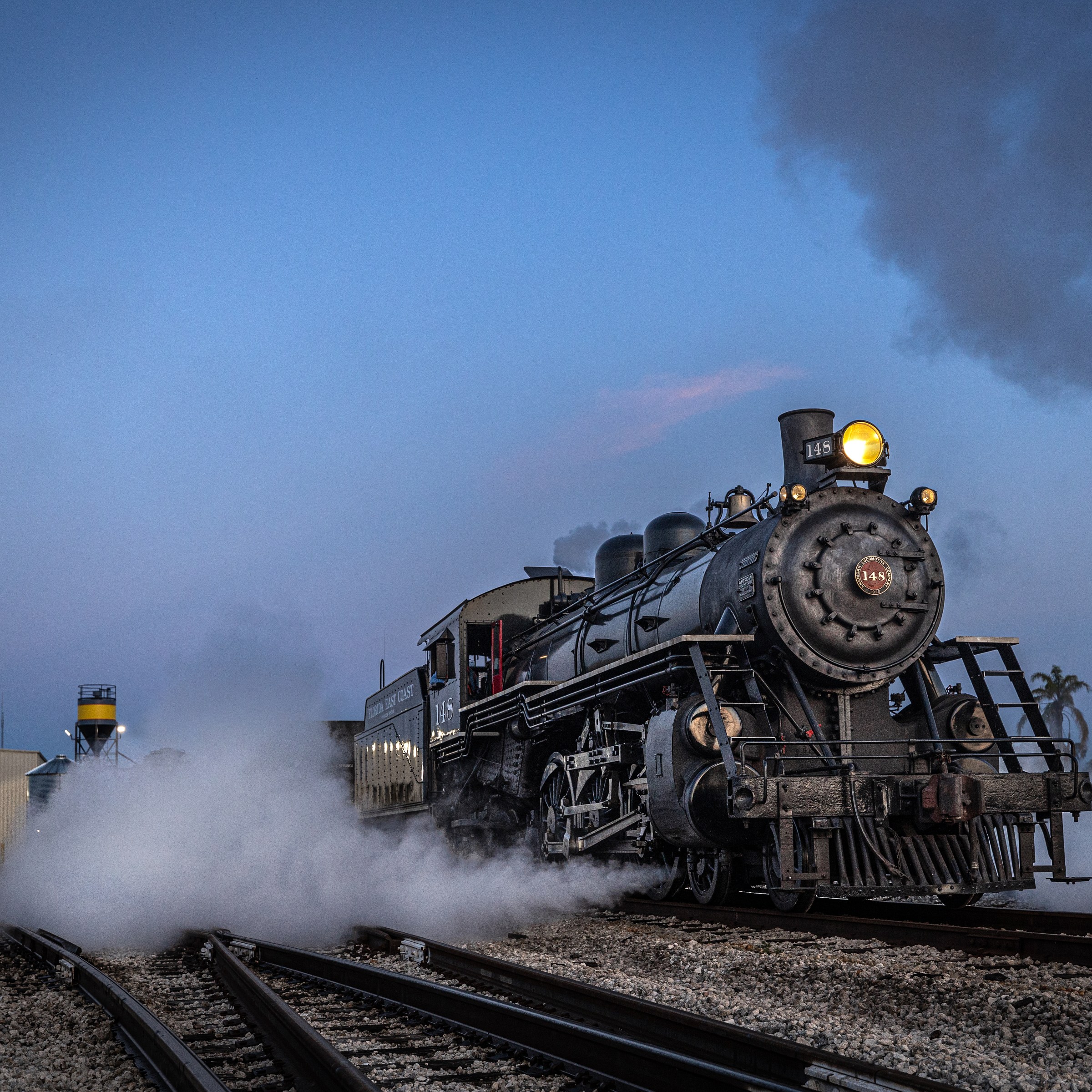
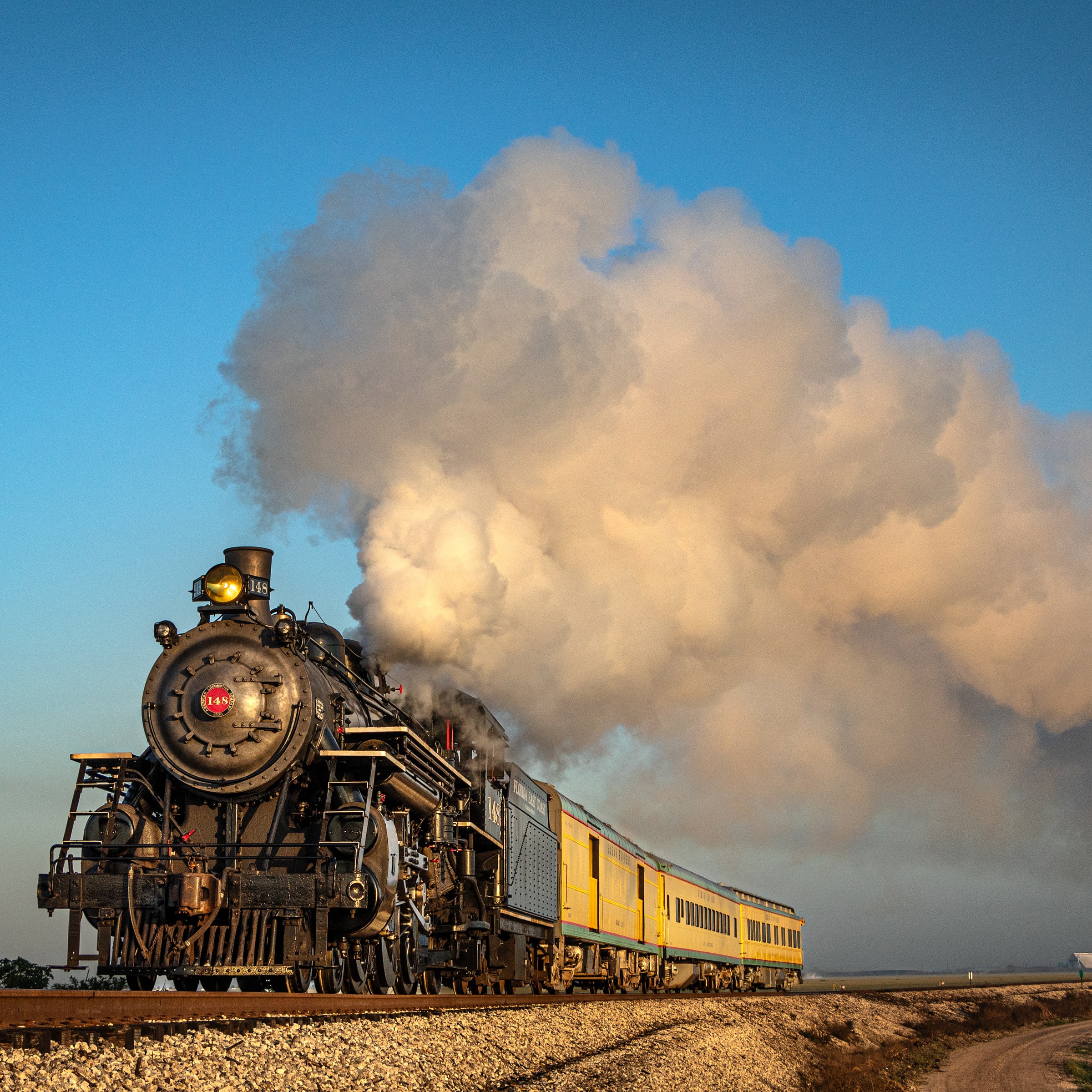
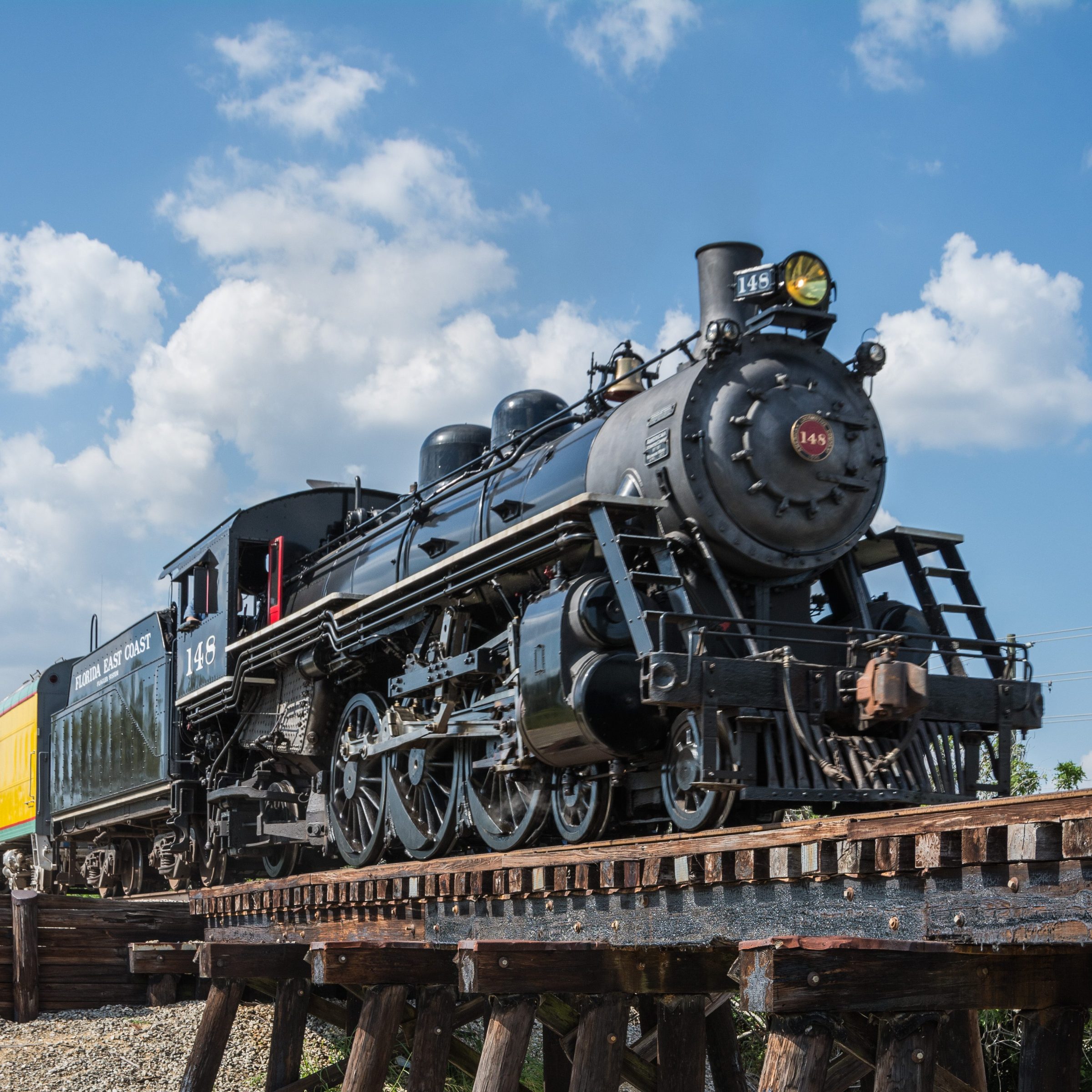
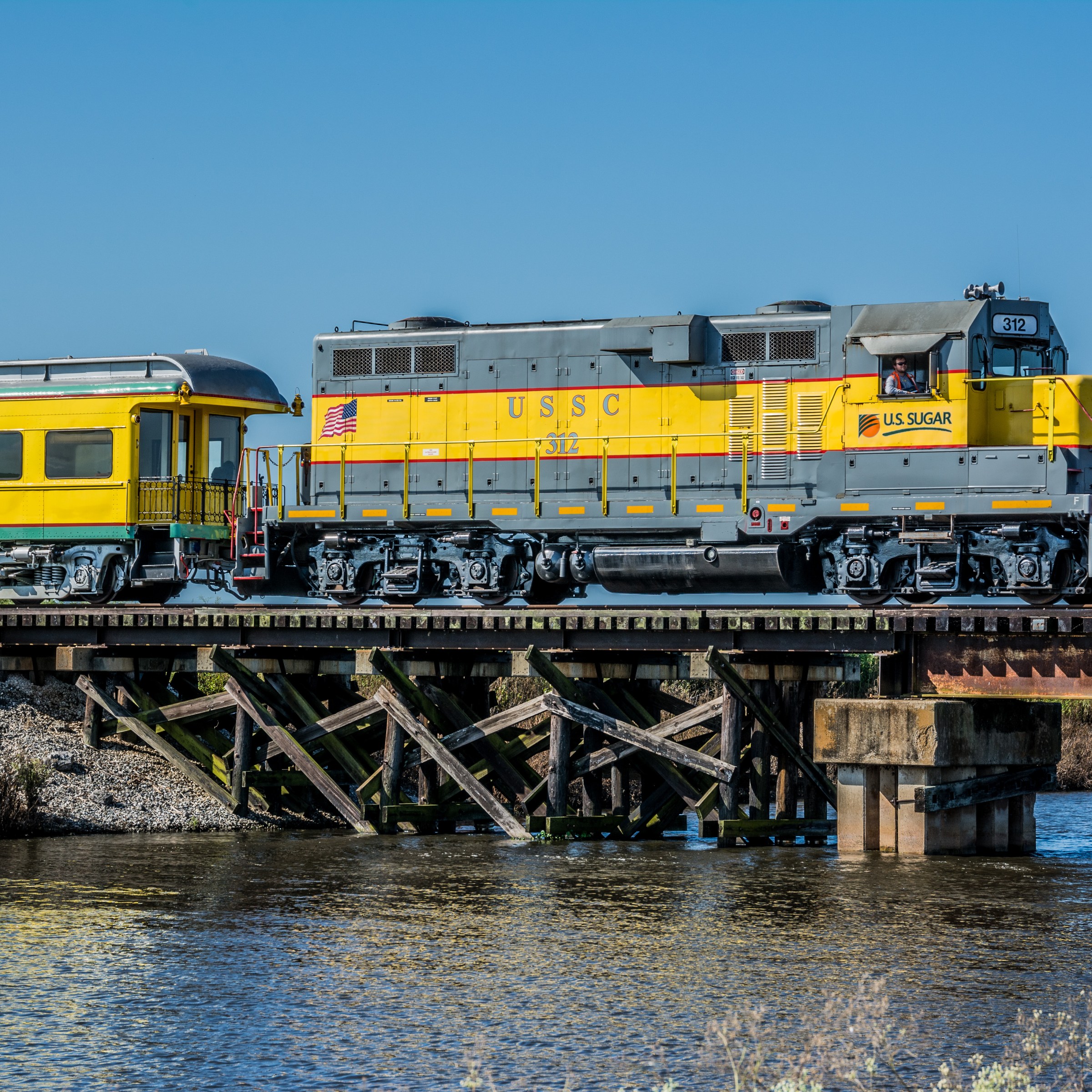
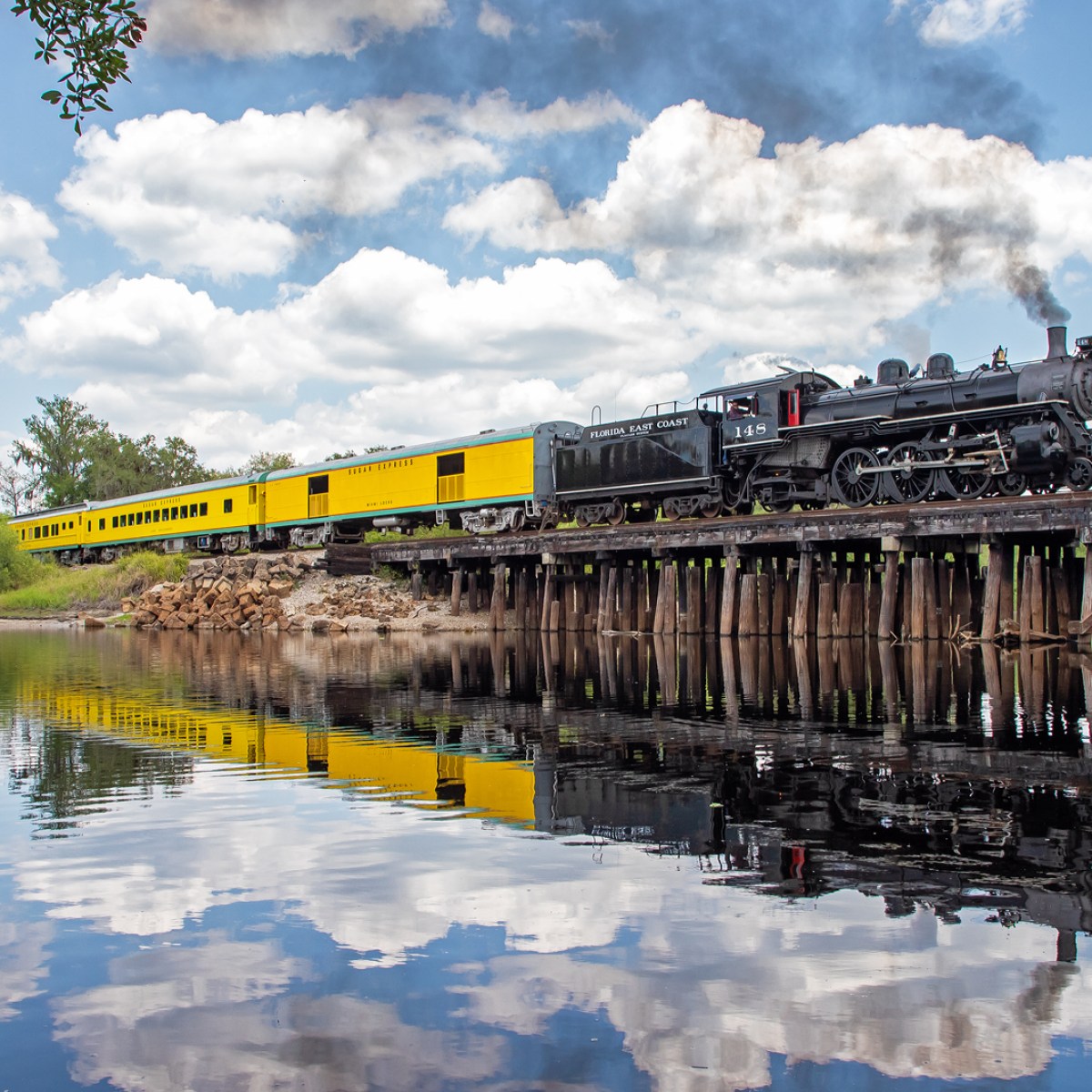
United States Sugar Corporation Steam Locomotive No. 148
No. 148 was built in April 1920 by the American Locomotive Company (ALCO) in Richmond, Virginia, for the Florida East Coast Railway (FEC). It hauled passenger and freight trains along the FEC’s Overseas Railroad, a 128-mile line connecting Miami to Key West, until the route was severely damaged by the 1935 Labor Day Hurricane.
The locomotive continued in FEC service until 1952, when it was sold to U.S. Sugar, joining other former FEC engines used to transport sugarcane and support mill operations. U.S. Sugar relied heavily on rail to move both raw materials and finished products, operating steam locomotives into the early 1960s before transitioning to diesel-electric power.
After decades out of service, No. 148 was fully restored and returned to operation in 2020, marking its 100th anniversary.
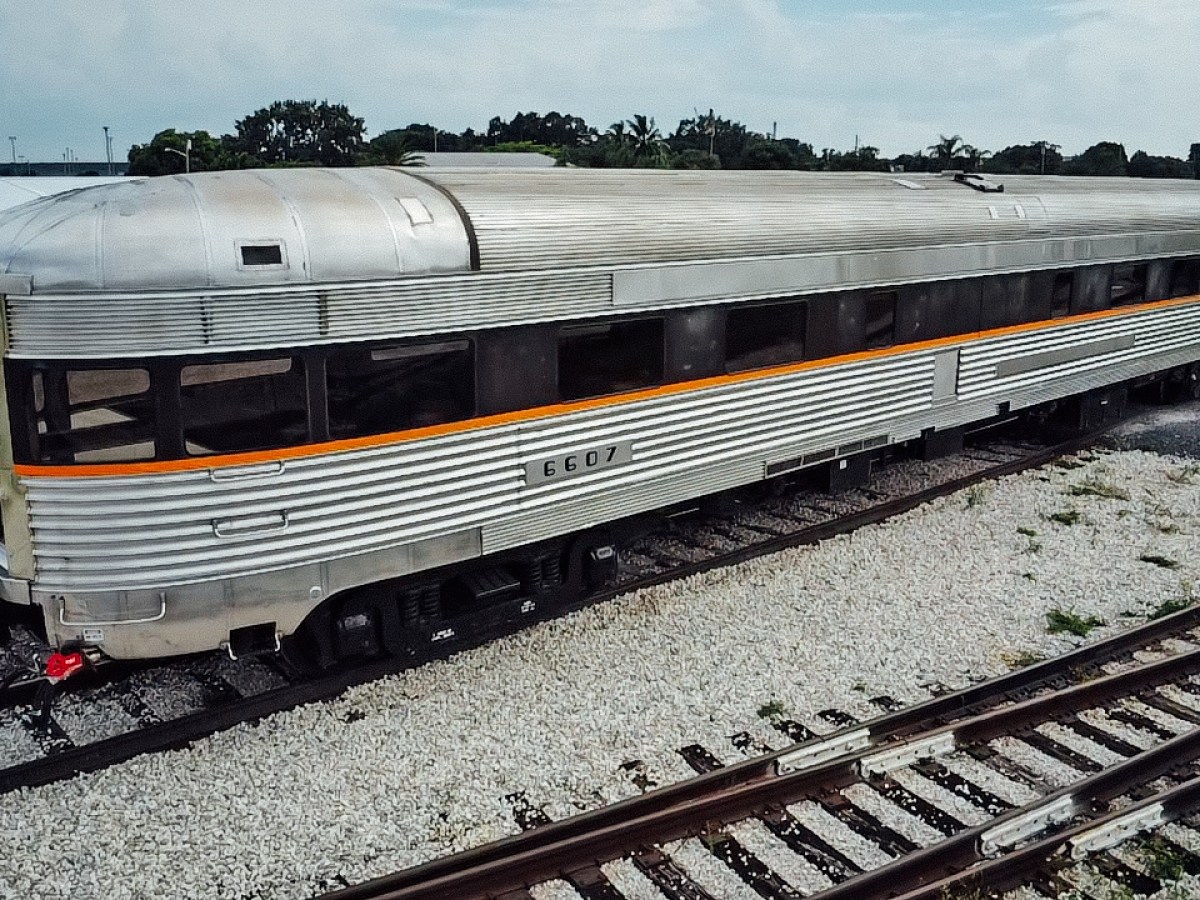
FIRST CLASS – Tavern Lounge Observation Car No. 6607
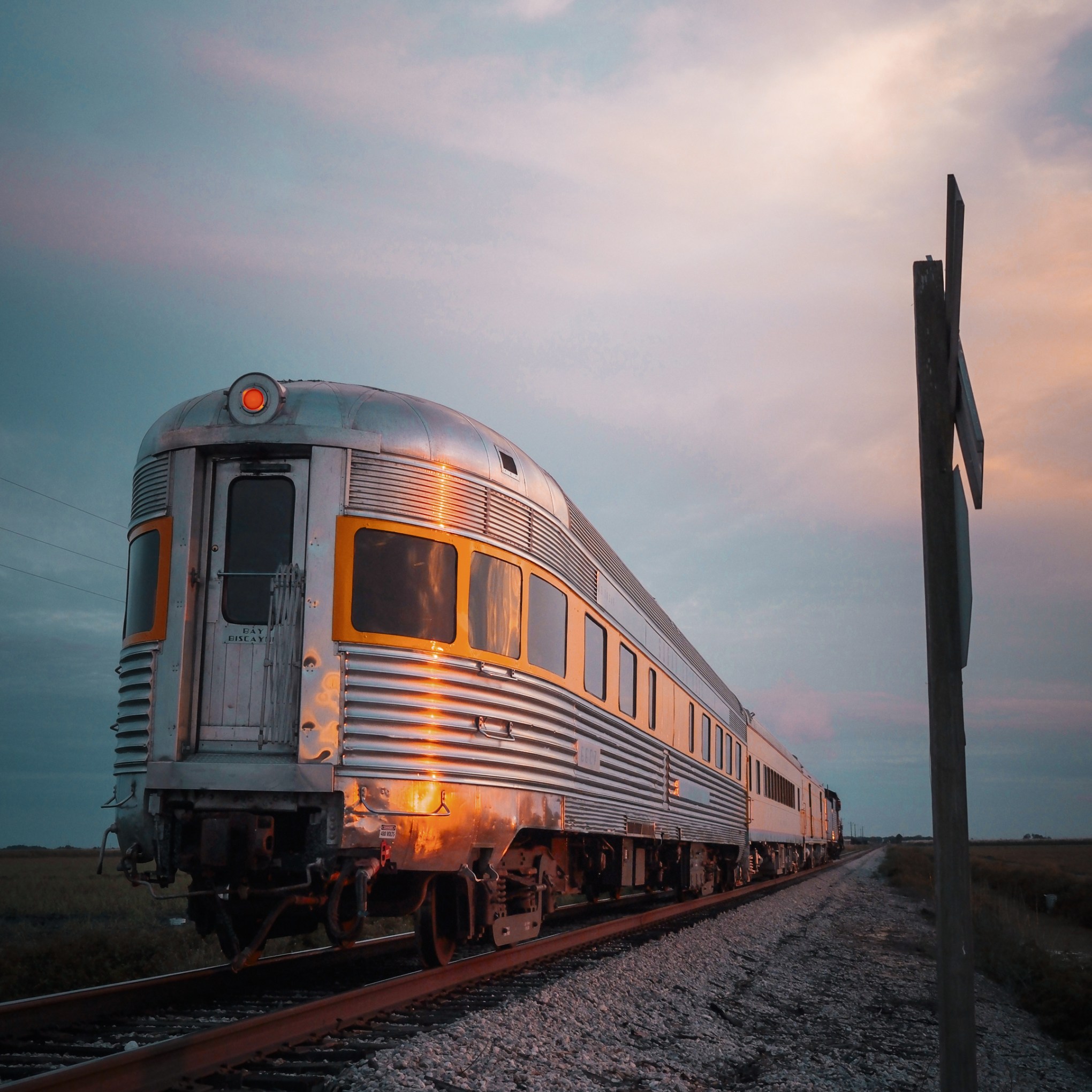
BAY BISCAYNE
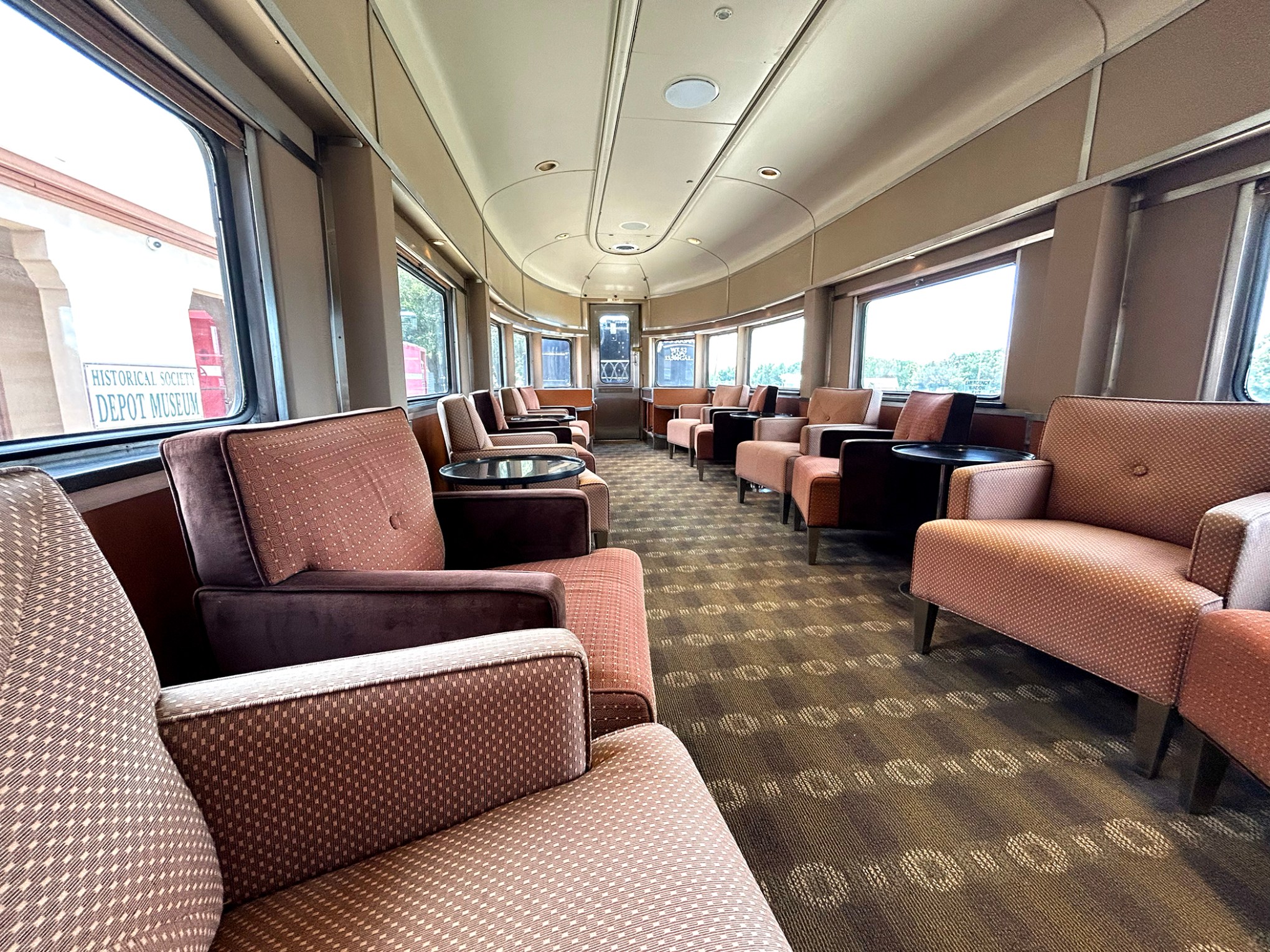
Bay Biscayne is a first-class lounge/observation car built in 1939 by the Budd Company for the Florida East Coast Railway. It was part of the New York–Miami Champion train and features a 1940s-style serving counter, a front lounge, and an elegant observation area with large windows.
Passengers can enjoy scenic views of South Central Florida’s agricultural landscapes in comfort. The car is privately owned and leased to Sugar Express.
FIRST CLASS – Table Car No. 7137
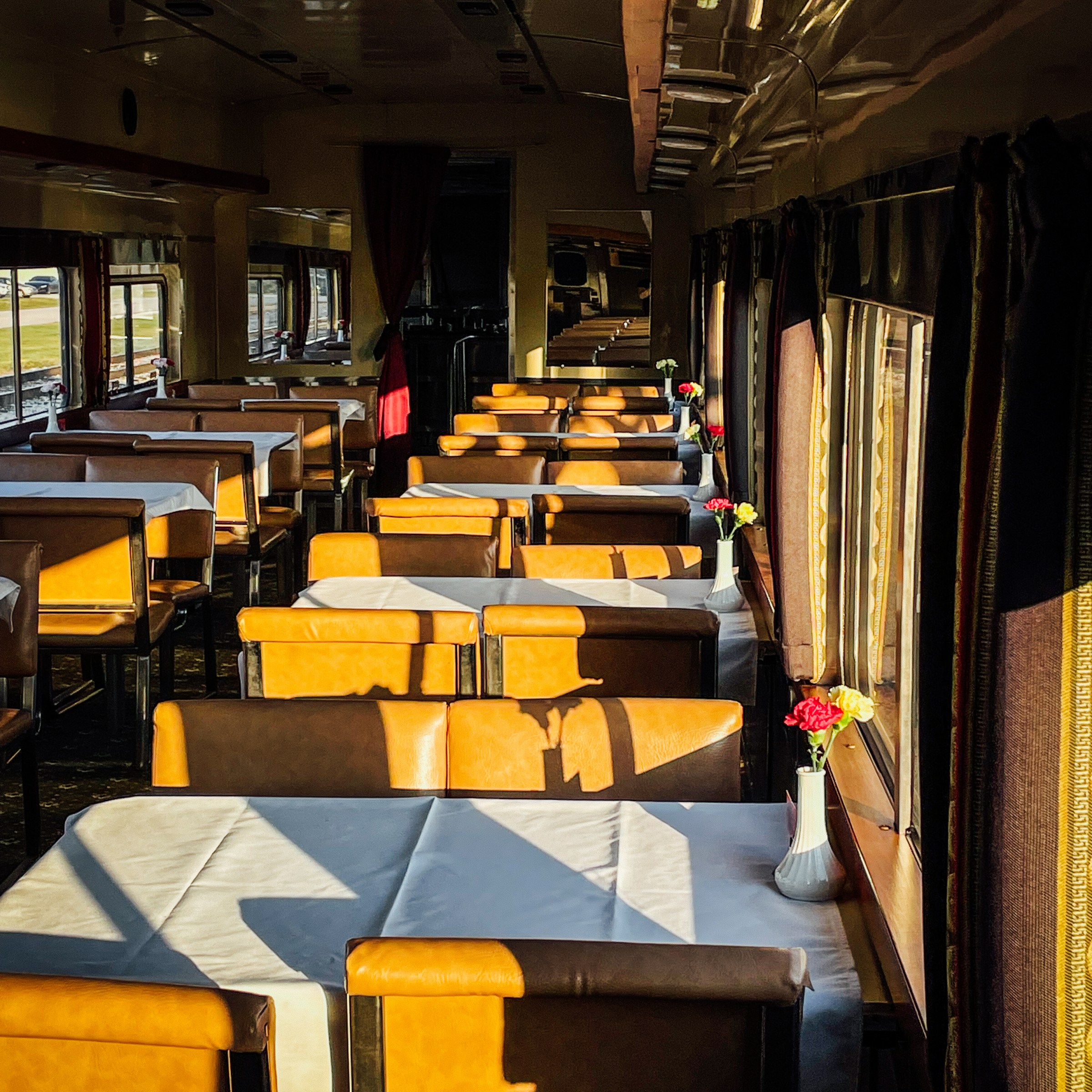
PALMDALE
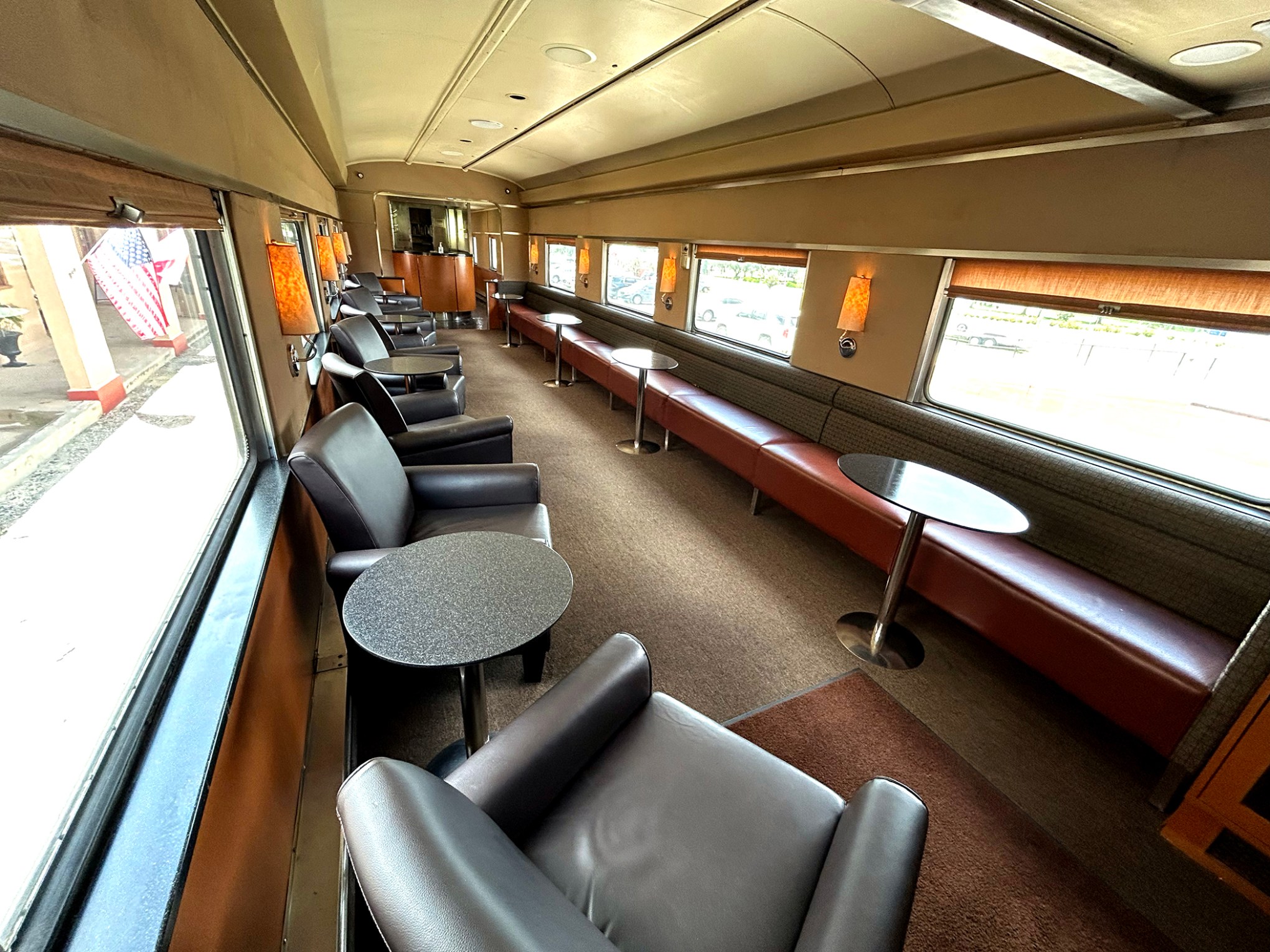
Palmdale is an elegant First Class dining car where passengers enjoy a more relaxed, upscale experience. First Class ticket holders receive complimentary snacks, appetizers, and beverages, with full meals offered on select special events.
Built in 1952 by the Budd Company for the Pennsylvania Railroad as William Penn (No. 7137), it was part of a fleet serving premier Northeast Corridor trains between New York and Washington, D.C. It was later rebuilt as the Anthony Wayne and continued service under Amtrak until 1992. Now privately owned and restored, the car retains its original number and operates as Palmdale, bringing mid-century luxury dining to the Sugar Express.
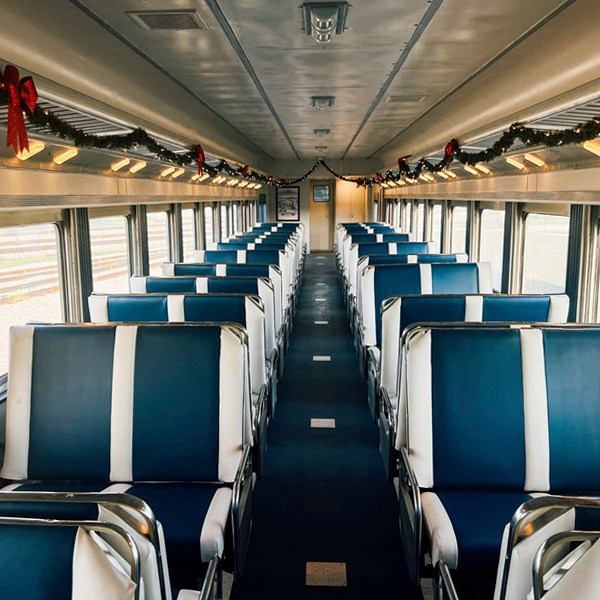
Passenger Coach No. 1002
LAKE OKEECHOBEE
Lake Okeechobee (Coach No. 1002) is a restored hometown railcar rebuilt in Clewiston, featuring a spacious interior with classic walk-over seats that can be flipped to face either direction or other passengers. Built in 1953 by American Car & Foundry for Union Pacific, it originally served on the famed City of Los Angeles streamliner between Chicago and Los Angeles before being retired in 1968. It was later used by the Great Northern Railway for regional service and eventually in early New Jersey Transit commuter operations. Today, fully restored and retaining its Great Northern number, Lake Okeechobee operates on the Sugar Express, blending historic rail heritage with modern passenger comfort.
Open Air Coach No. 2374
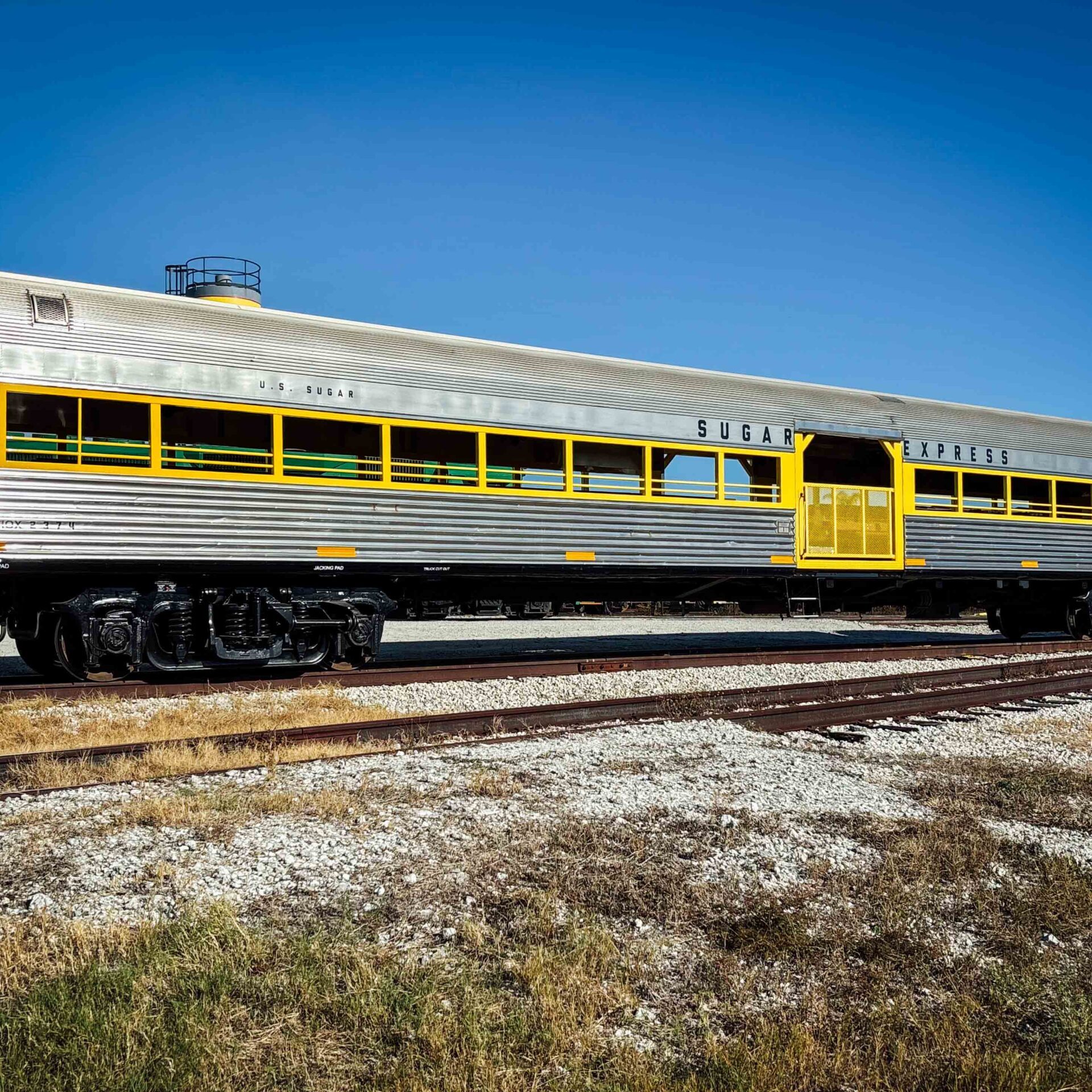
LAKE PLACID
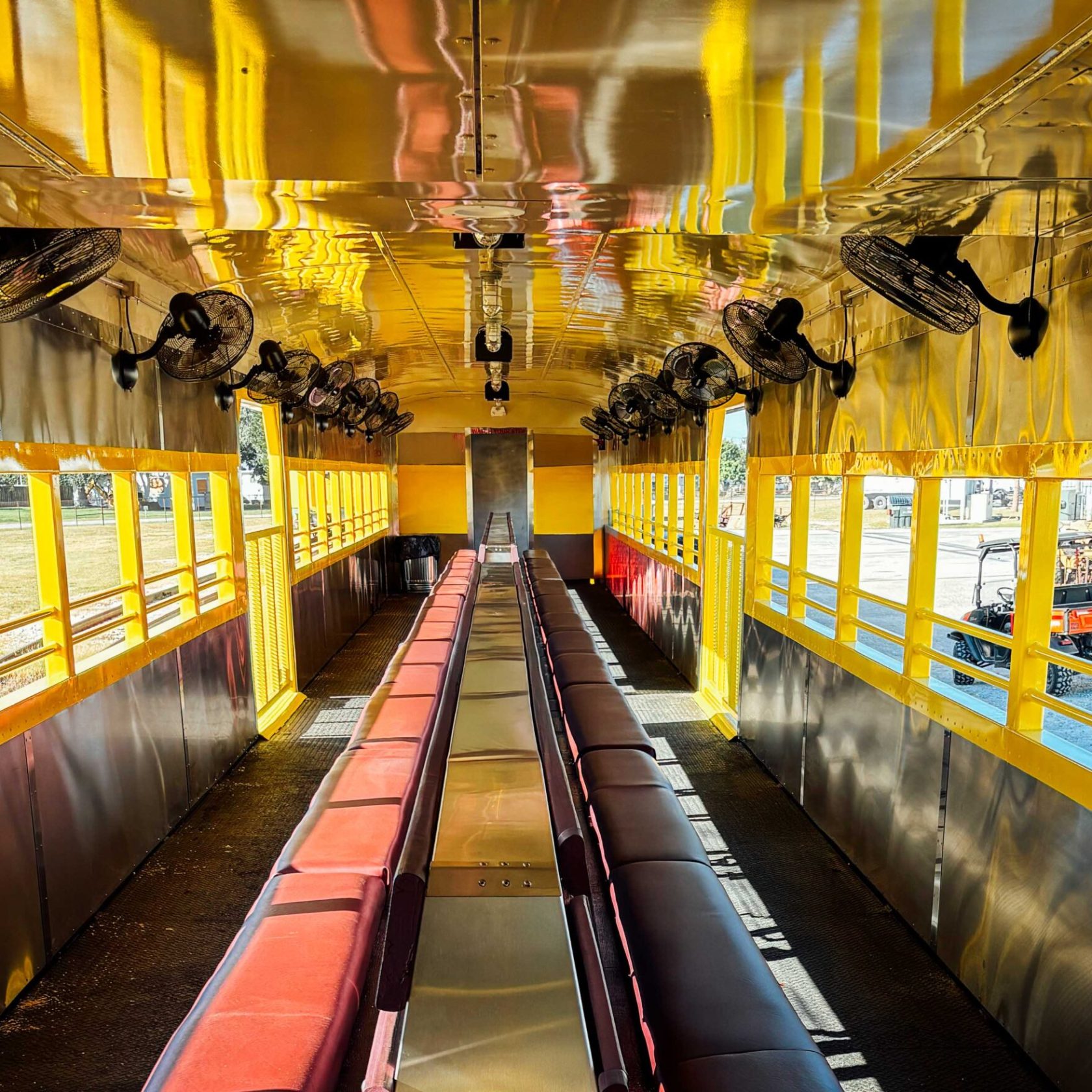
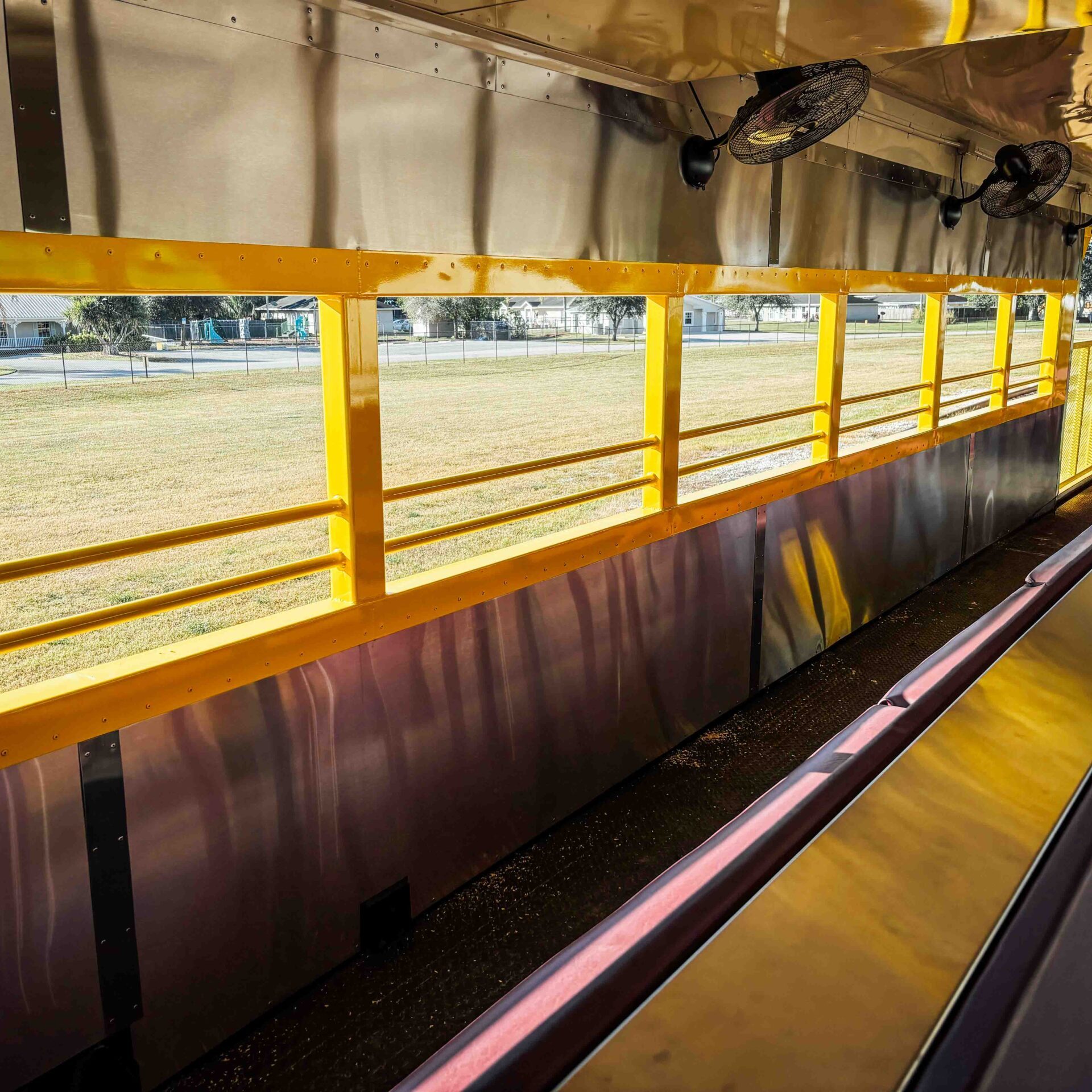
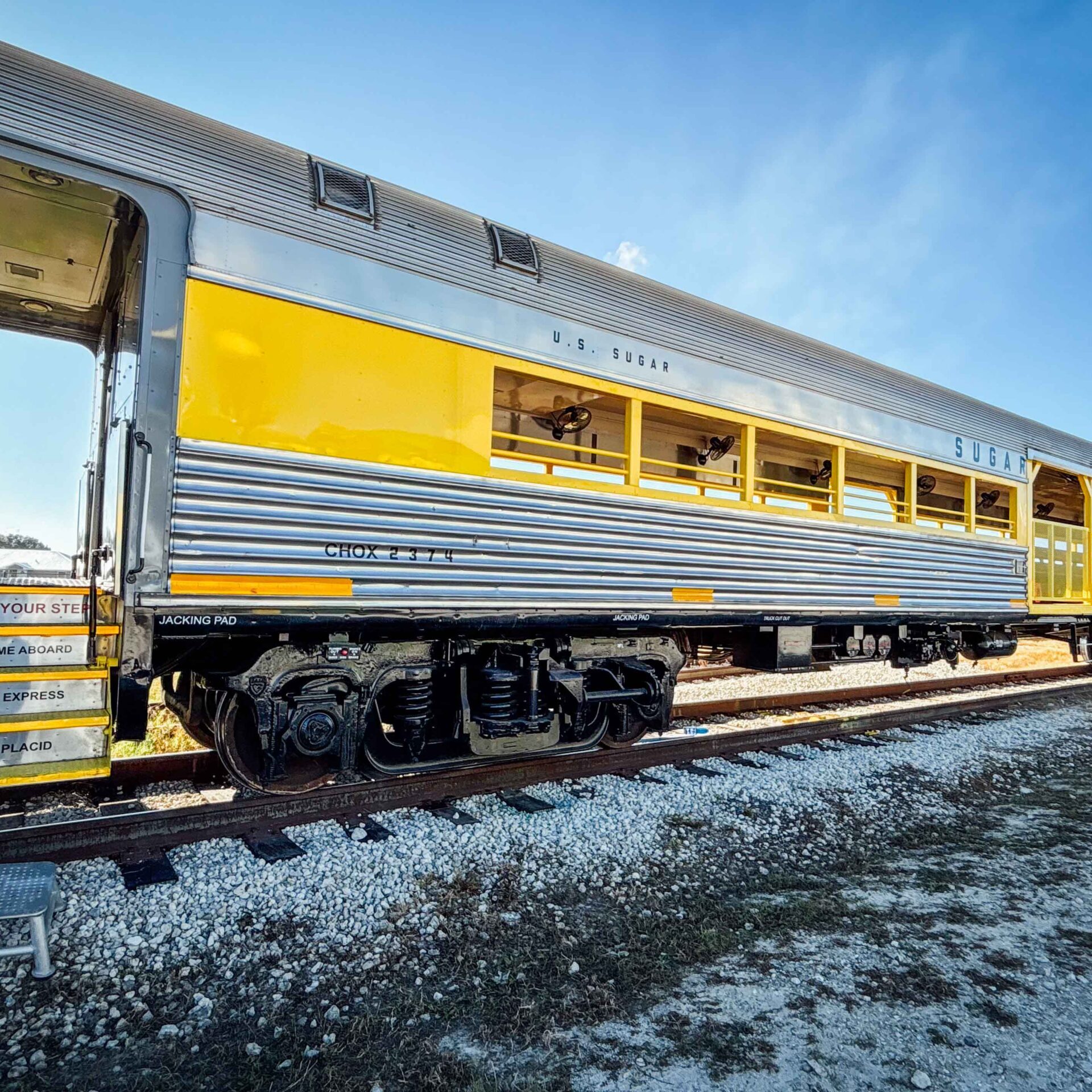
2374 is a car built for pure, wind-in-your-hair adventure. With open sides, bench-style seating, and nearly 360 degrees of scenery rushing past, this semi-enclosed coach delivers an unfiltered, all-senses experience of historic railroading at speed. Every whistle echo, every clatter of the rails, every sweep of South Florida landscape feels a little bigger and a little wilder from here. Designed for riders who prefer the elements to do their own kind of storytelling, 2374 offers the most immersive view on the train — but keep in mind, this car isn’t climate-controlled. The tradeoff? A front-row seat to the raw, rhythmic pulse of the railroad, just the way generations of travelers experienced it.
DELUXE CCOOACH No. 664 & 843
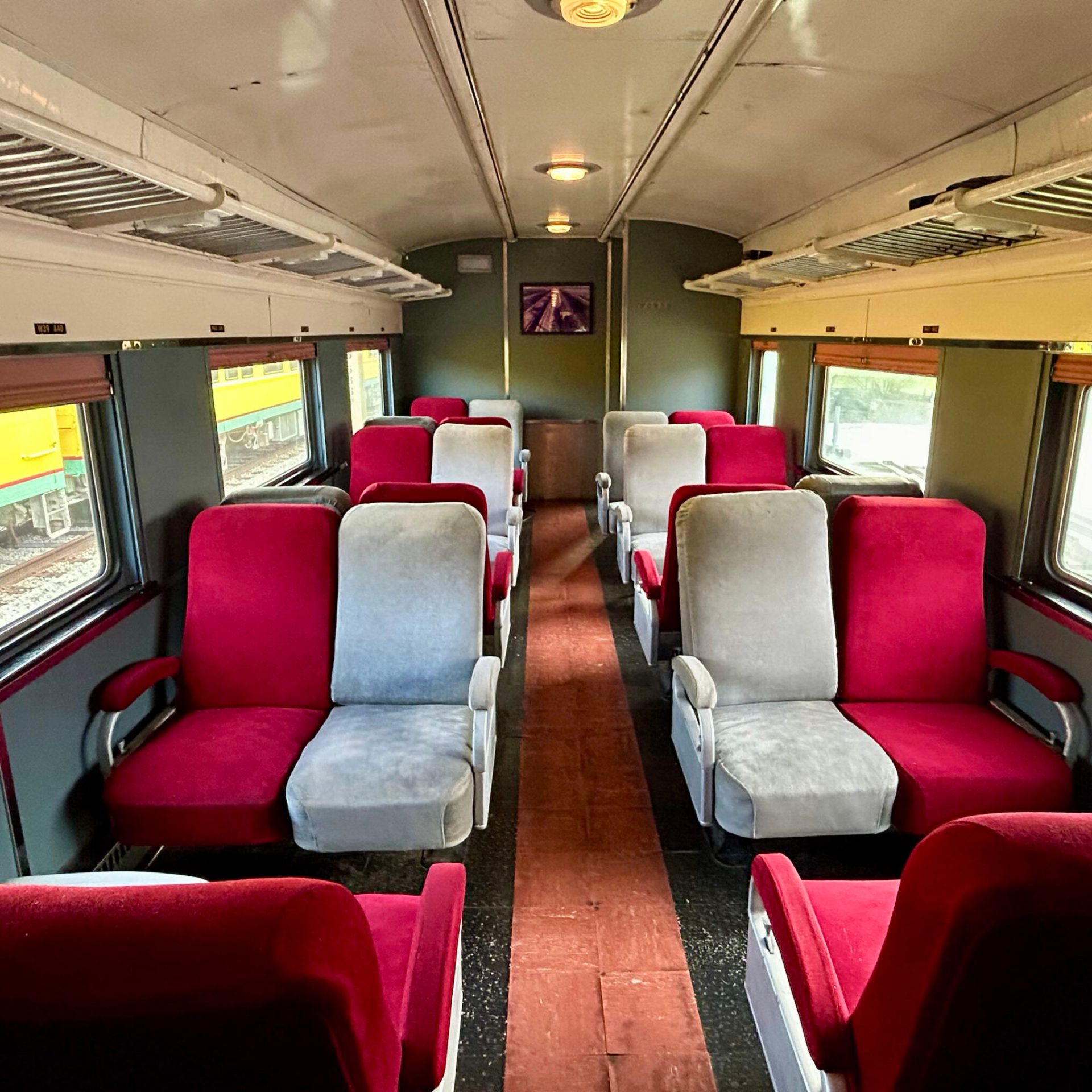
843 was built in 1958 by Pullman Standard as one of their Carbon Steel Skeleton, Stainless steel outside cars. The car was delivered to Southern as an empty shell with Southern’s Hayne Shops constructing the car into a 52-seat coach. The car was in passenger service with the Southern up until the end in 1979, but its ownership and passenger use on the Southern continued when it became one of the dedicated coaches for Southern and later Norfolk Southern’s steam excursion program.
In 1993, Norfolk Southern rebuilt 843 and it was painted Tuscan Red to match their office car fleet. In 1994, the railroad ended its excursion program and sold 843 to the New York and Susquehanna Railroad. The car is privately owned and leased to Sugar Express.
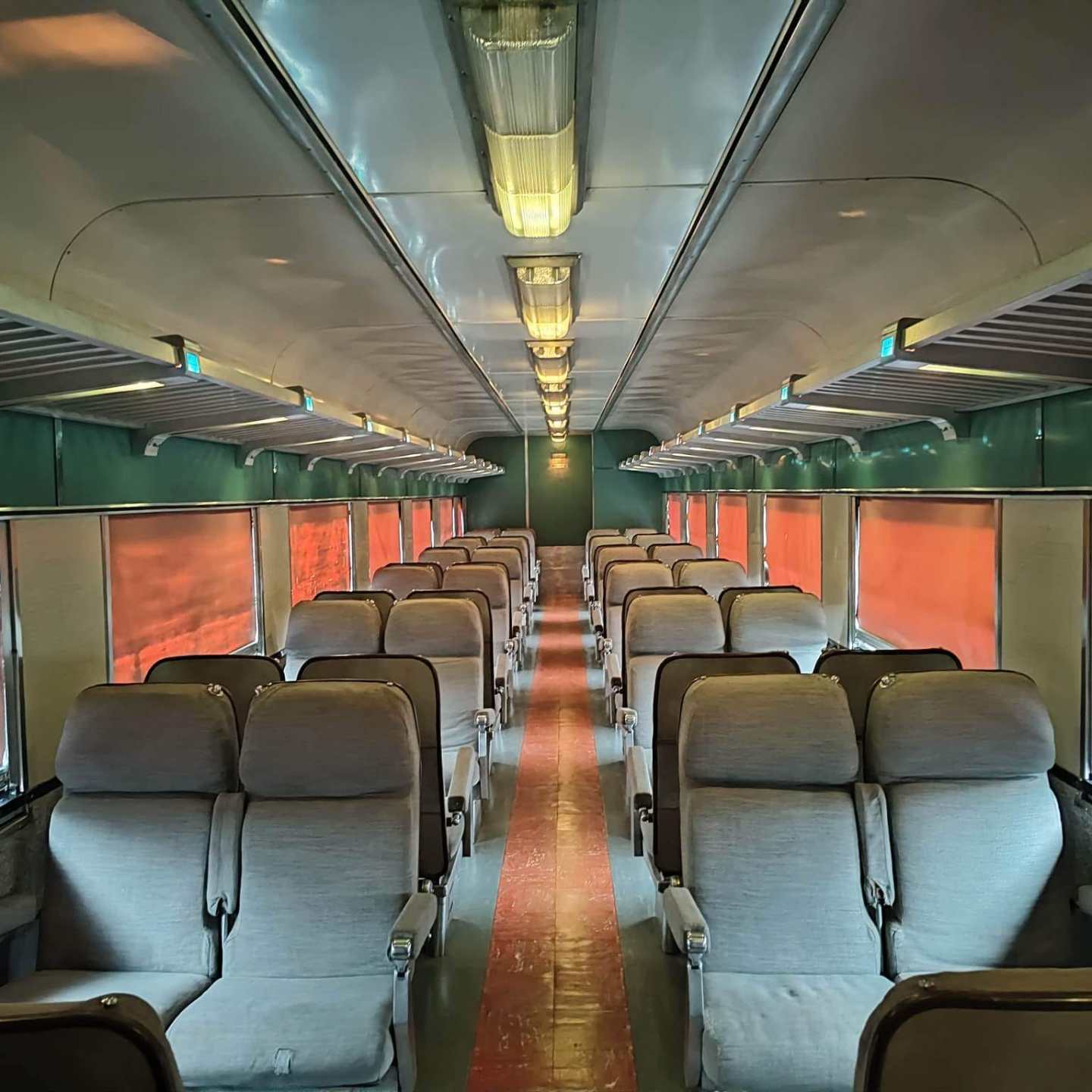
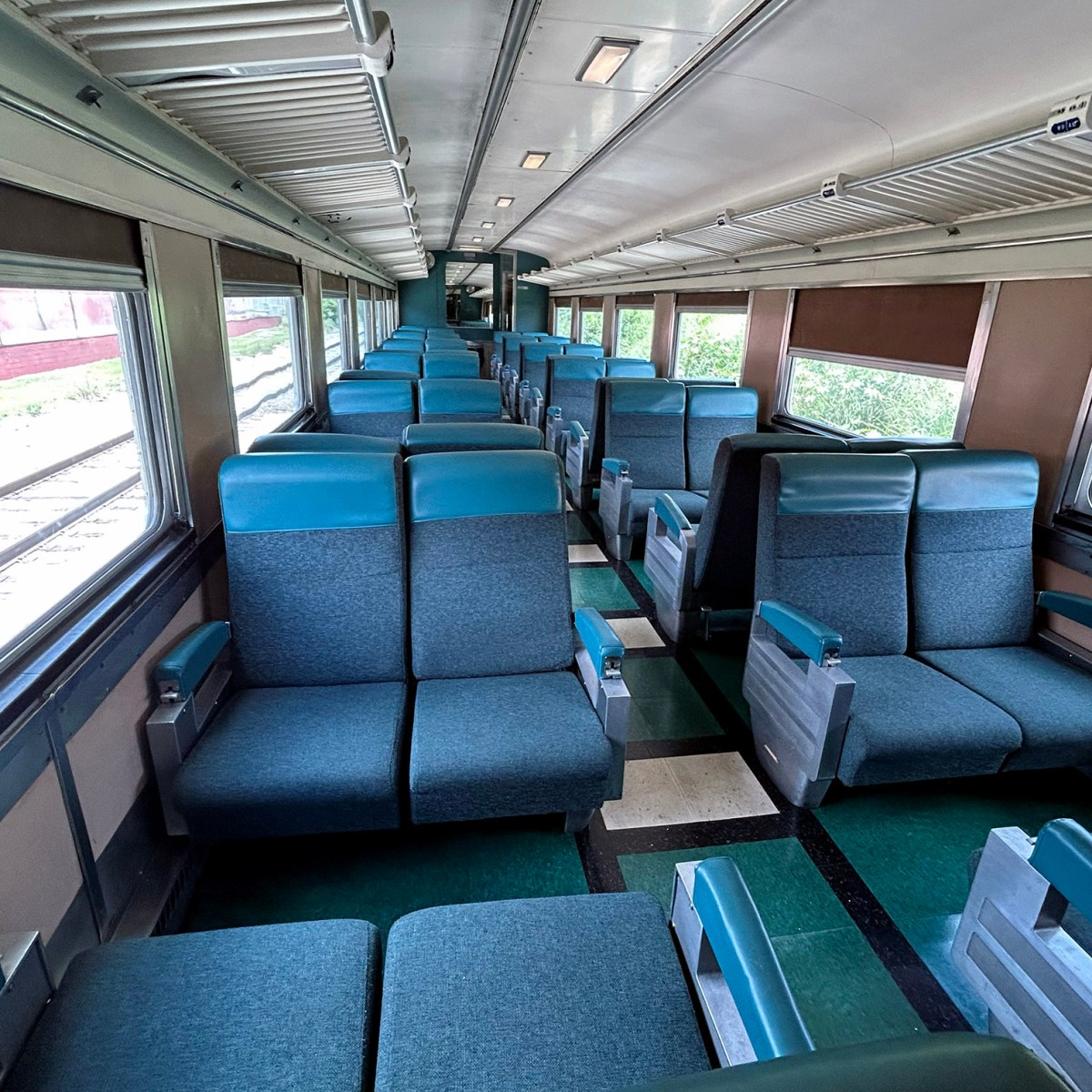
DELUXE CCOOACH SOUTHERN RAILWAY NO. 829
No. 829 is a 52-seat deluxe 85-foot coach built in 1949 by the Edward G. Budd Company for Southern Railway as part of a 19-car order modernizing its premier passenger fleet. It served on major trains including The Southerner, The Tennessean, and The Royal Palm, operating routes between Atlanta, Washington, Memphis, Chicago, and Florida, with service over key Southern Railway and CNO&TP lines.
After The Royal Palm ended in 1970 and The Southerner was merged into The Southern Crescent, the car continued in service until Southern Railway turned passenger operations over to Amtrak in 1979. Amtrak operated it until 1982, and today No. 829 is privately owned and leased to Sugar Express.
Open Air Car No. 3674
MIAMI LOCKS
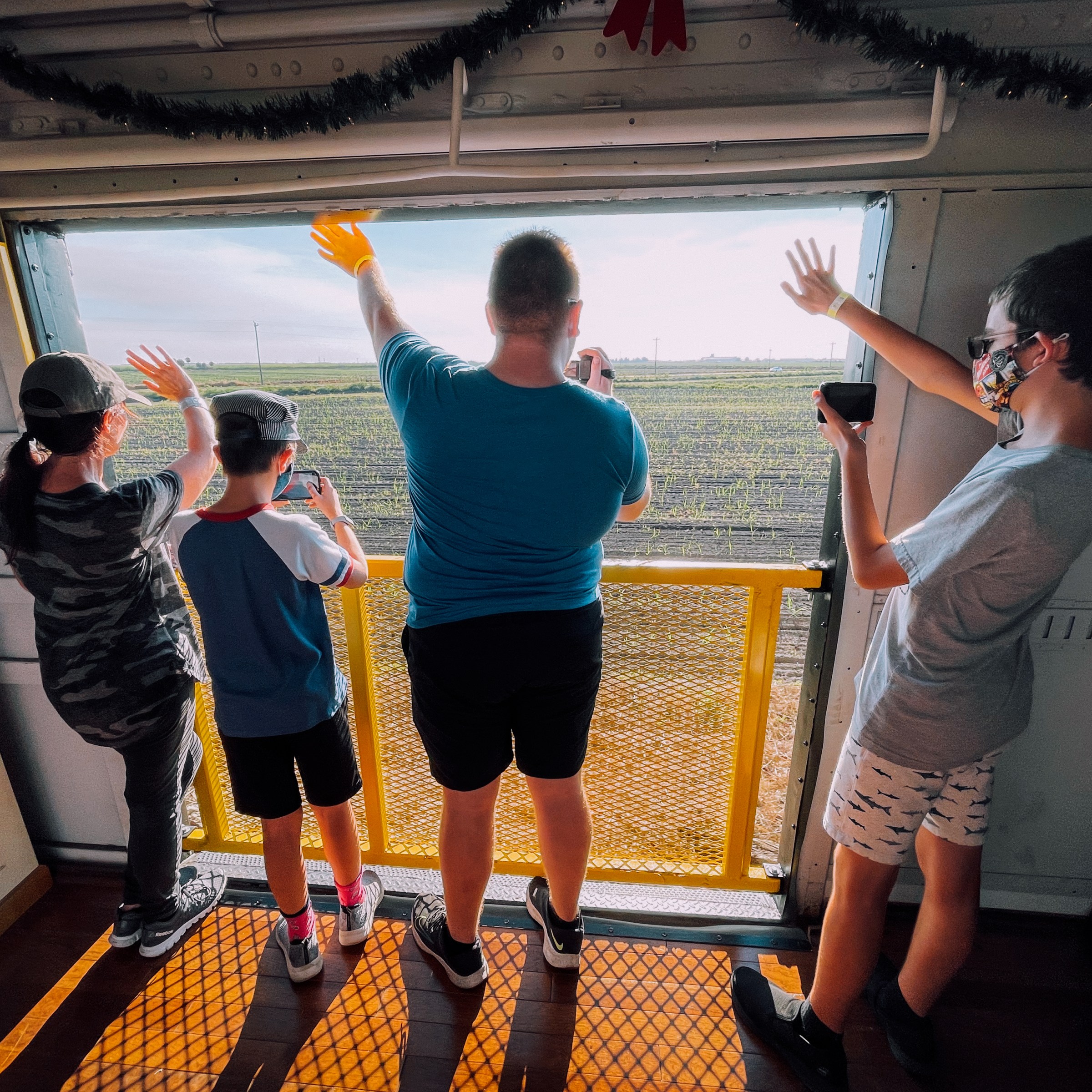
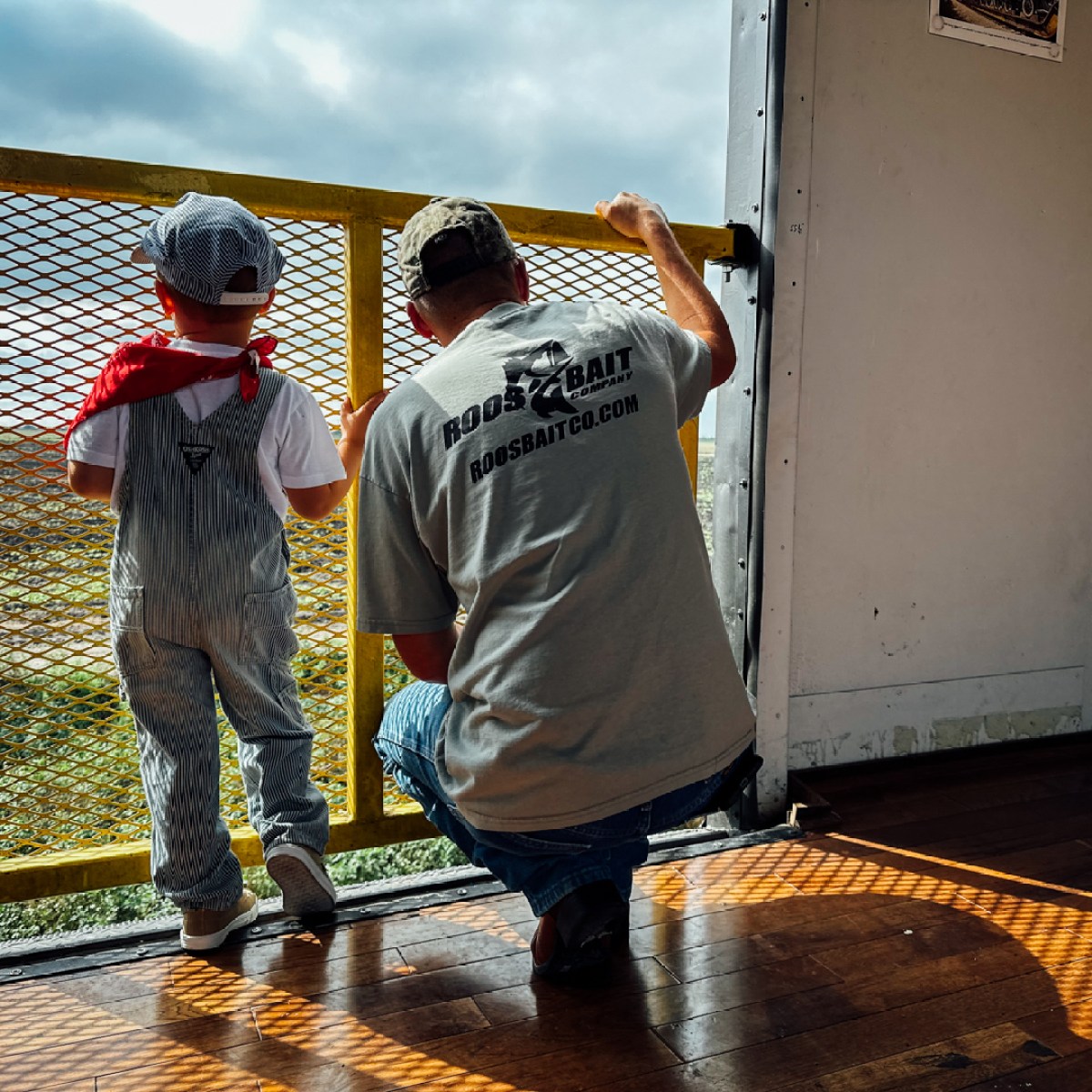
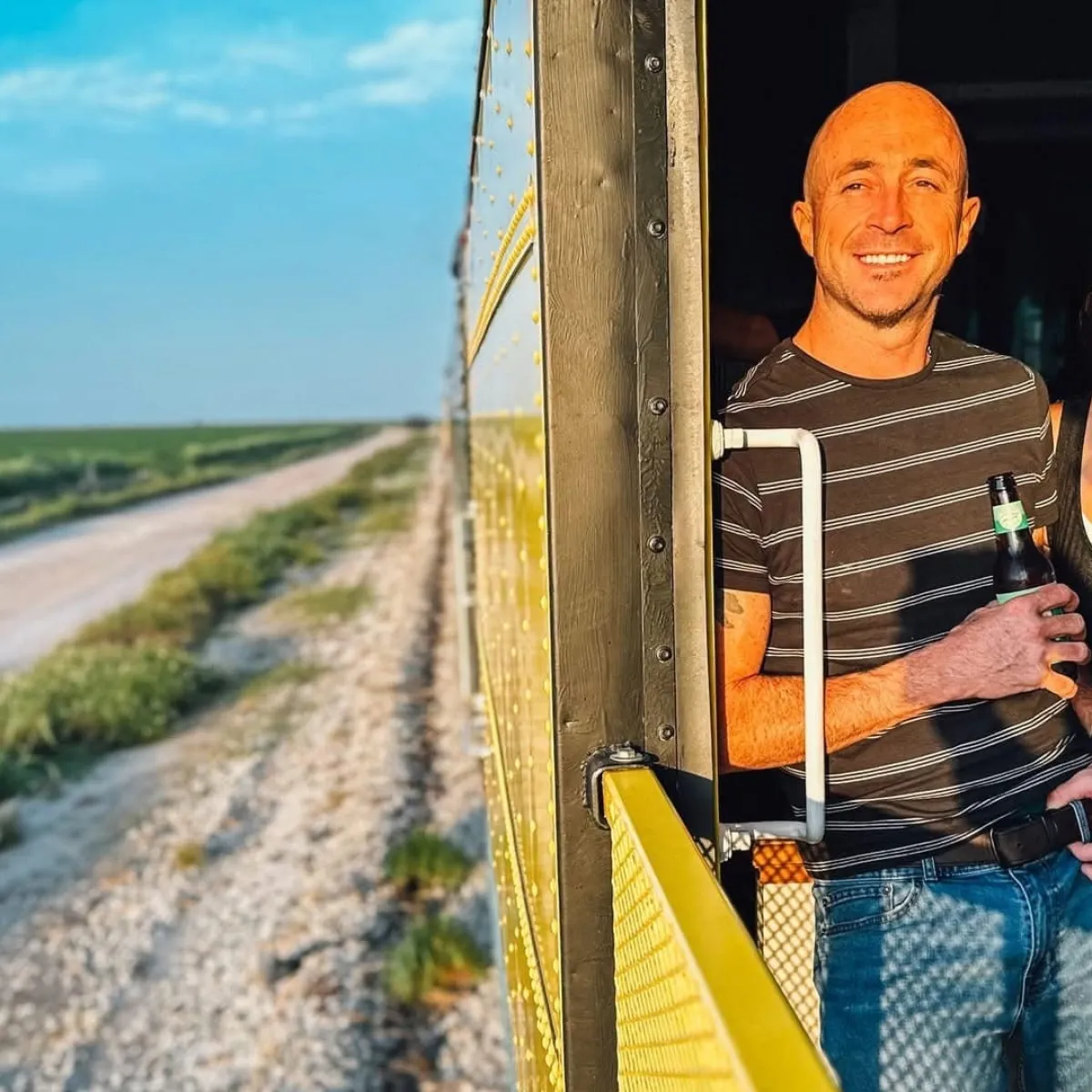
Miami Locks is a breezy Open Air Car with wide side openings that provide panoramic, unfiltered views of the countryside and an immersive experience of the train in motion. It also serves as a relaxed social space where guests can enjoy the ride, fresh air, and onboard souvenirs.
Originally built in 1955 by American Car & Foundry as Railway Post Office Car No. 3674 for the Atchison, Topeka & Santa Fe Railway, it served on iconic trains including El Capitan, The Chief, and Super Chief. After decades of service, it later operated under Amtrak into the 2000s before being retired and preserved. Today, it runs on the Sugar Express as Miami Locks, still carrying its original number 3674.
Pullman Car
CLEWISTON
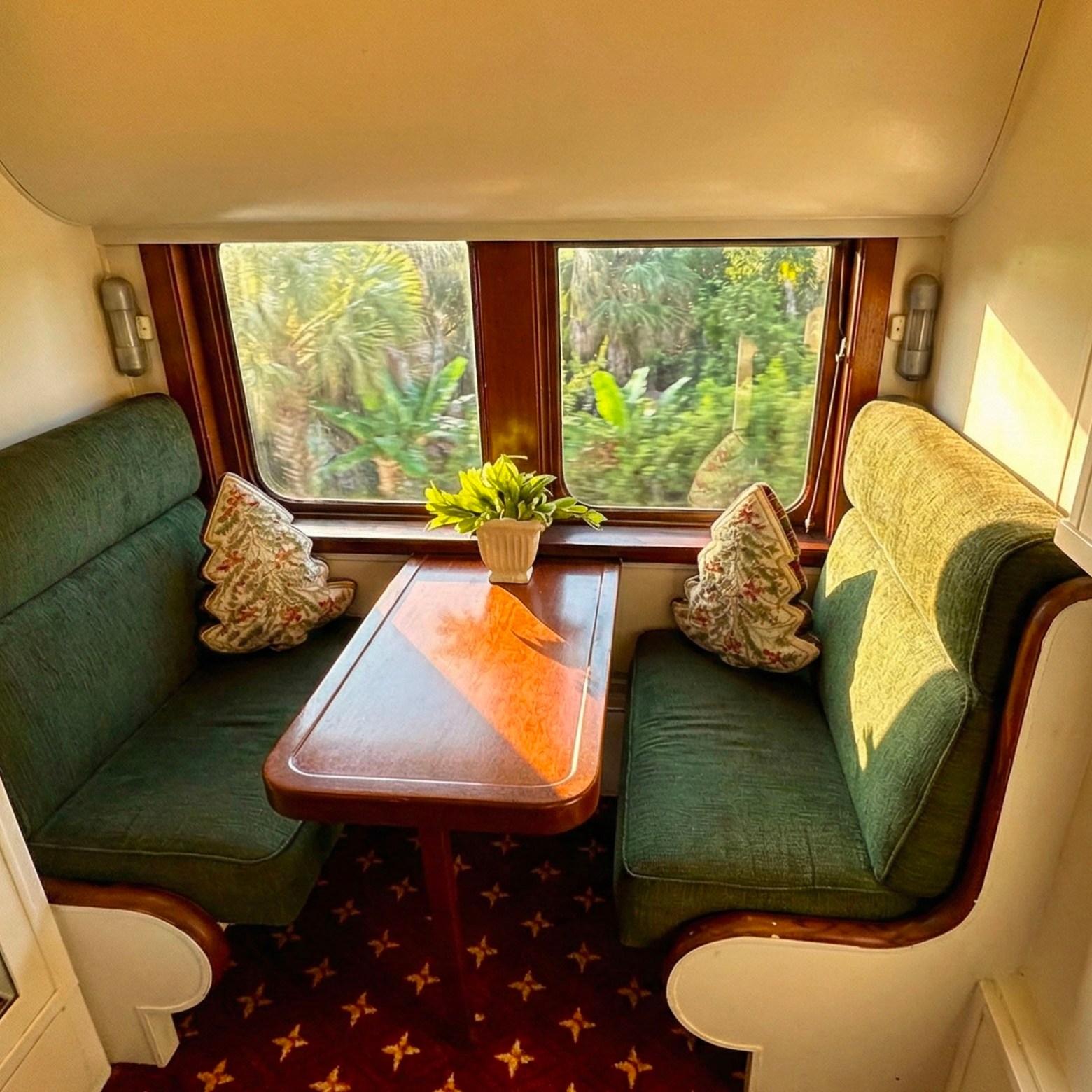
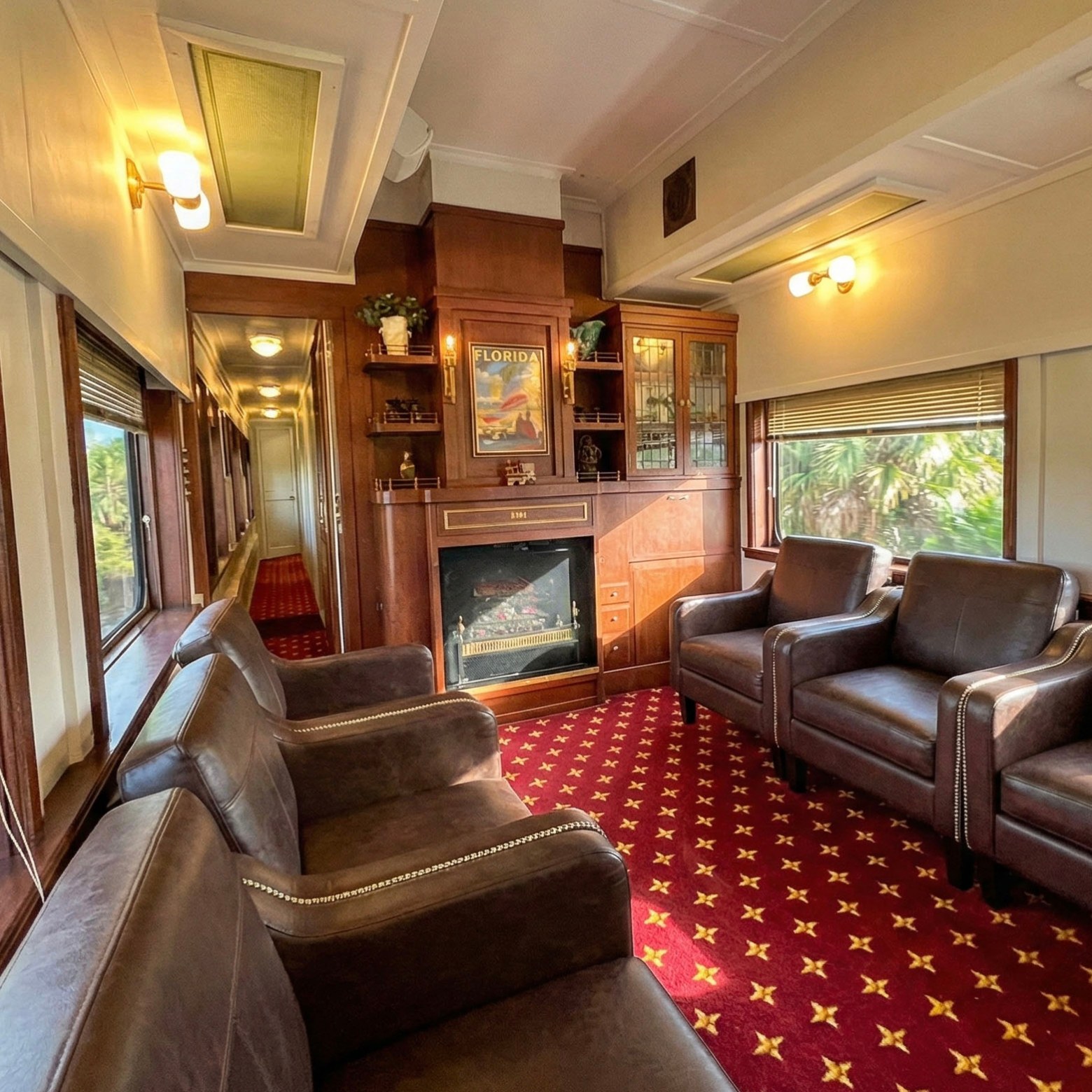
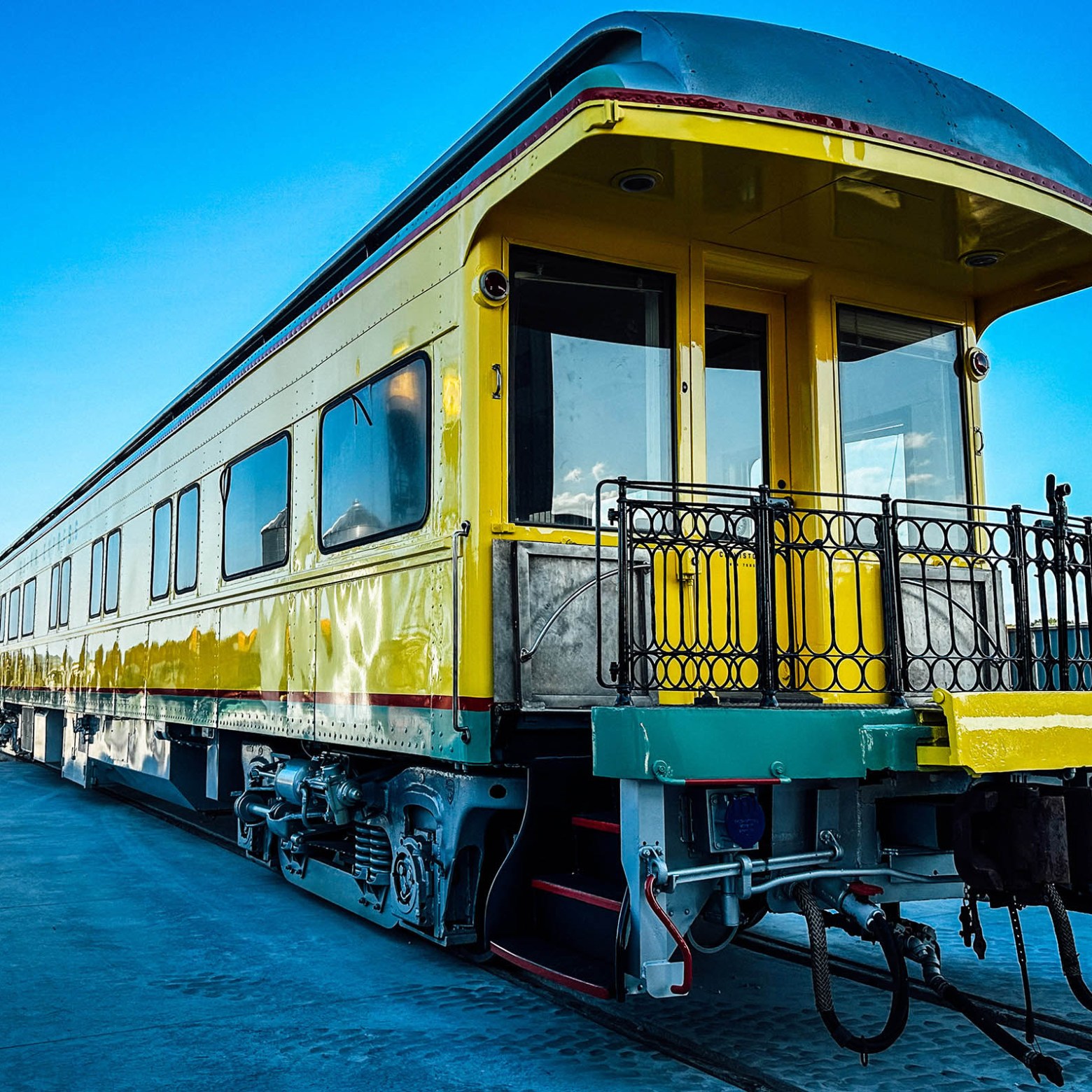
Ride like a railroad executive or Hollywood celebrity from the 1930s aboard our private Pullman business car! Enjoy the day aboard in the Clewiston’s climate-controlled lounge, dining room, and private suites, all reserved exclusively for your group of up to 14 guests. Includes all First Class amenities with added privacy and comfort. A small catering kitchen is available for parties and groups that wish to bring additional food and light refreshments.